
Underwater archaeology opens a rare window into the past, revealing shipwrecks, sunken cities, and submerged settlements that land excavations could never reach. It helps in understanding trade routes, ancient cultures, and environmental change. But despite its importance, very few universities worldwide offer dedicated programs in underwater archaeology.
Powered by Best Colleges
What is a Master’s in Deep Sea / Underwater Archaeology?
A Master’s in Underwater or Maritime Archaeology trains students to explore, document, and preserve cultural heritage found below the water’s surface.
Key learning areas include:
- Underwater excavation and site documentation
- Conservation of submerged artifacts
- Marine remote sensing and GIS applications
- Scientific diving and underwater photography
- Maritime heritage management and legislation
- Ship reconstruction and nautical technology
Why It’s Very Rare
Underwater archaeology is one of the most resource-intensive branches of archaeology. Here’s a closer look at the reasons why it’s hard to find:
- High operational costs: Universities must maintain research vessels, diving gear, conservation labs, and underwater survey technology (like sonar and photogrammetry systems).
- Strict safety regulations: Training students to dive for research requires certified diving instructors, insurance coverage, and compliance with occupational safety laws.
- Limited field sites: Access to submerged heritage areas is tightly controlled by government permits, making it hard for most schools to host fieldwork.
- Specialized faculty needed: Few archaeologists hold both academic and professional diving credentials.
- Small global demand: The field attracts passionate specialists, but not enough students to justify large-scale programs.
Because of these challenges, only around 10–12 master’s programs worldwide directly focus on underwater or maritime archaeology. And in the U.S., it’s usually offered within broader anthropology or maritime studies departments.
Example Career Paths
- Maritime or Underwater Archaeologist
- Cultural Heritage Manager
- Museum or Research Conservator
- Marine Surveyor / Site Excavation Specialist
- Academic Researcher or University Instructor
Growth Outlook and Industry Relevance
Underwater archaeology may be a small field, but it makes a big difference. It helps protect cultural treasures, supports marine research, and even boosts sustainable tourism. As sea levels rise and coastlines change, more experts are needed to find and protect what’s hidden underwater.
Groups like UNESCO, NOAA, and local museums are now putting more effort into preserving underwater heritage. This means steady job opportunities for people interested in research, conservation, and cultural management.
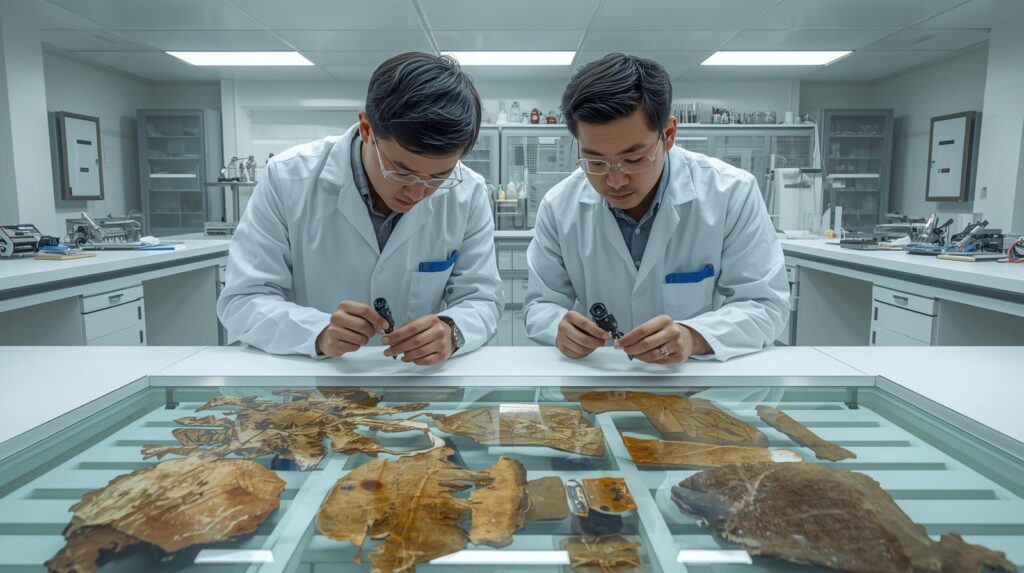
10 Master’s in Deep Sea / Underwater Archaeology
Texas A&M University
Master of Science in Maritime Archaeology and Conservation
- Length: 2 years (32 credits)
- Tuition: $10,000–$25,000 per year
- Format: On-campus
- Courses Include:
- Conservation I
- Maritime Archaeology Skills
- Nautical Archaeology
- History of Wooden Shipbuilding
- Ship Reconstruction
Standout Features:
- Oldest academic graduate program in the U.S. focused on nautical archaeology
- Includes hands-on fieldwork, conservation training, and a required internship in maritime museums or underwater excavations
Learn more: MS in Maritime Archaeology & Conservation
East Carolina University
Master of Arts in Maritime Studies – Maritime History & Nautical/Underwater Archaeology specialization
- Length: Typically 2 years
- Tuition: $11,000–$28,000 per year
- Format: On-campus
- Courses Include:
- Maritime History and Nautical Archaeology
- Conservation and Material Culture
- Archaeological Field Methods
- Maritime Excavation and Site Recording
- Standout Features:
- One of the oldest and most respected maritime archaeology graduate programs in the U.S., offering both classroom and extensive field experience.
- Students join active underwater and terrestrial field schools, with opportunities for research in the U.S. and abroad.
Learn more: MA in Maritime Studies – Maritime History & Nautical/Underwater Archaeology specialization
University of Miami
Master of Professional Studies in Marine Ecosystems and Society
- Length: Approximately 2 years
- Tuition: $25,000–$40,000 per year
- Format: On-campus, interdisciplinary with fieldwork components
- Courses Include:
- Archaeological Theory and Cultural Heritage Management
- Marine Geophysical Technology and Survey
- Site Mapping, Modeling, and Interpretation of Shipwrecks
- Marine Protected Areas and Conservation Practices
- Standout Features:
- Students train as AAUS-certified Science Divers in their first semester.
- They can participate in hands-on underwater archaeological fieldwork and internships with professional agencies worldwide.
Learn more: M.P.S. in Marine Ecosystems and Society
California State Polytechnic University
Certificate in Maritime Archaeology
- Length: Typically completed in 3 semesters (includes required diving courses
- Tuition: $8,000–$16,000 per year
- Format: On-campus
- Courses Include:
- Beginner, Master, and Scientific Diving
- Emergency Response and First Aid
- Maritime Archaeology
- Cultural Resource Management
- Anthropology of Maritime Environments
- Standout Feature:
- Combines advanced diving certifications with hands-on underwater archaeology experience.
Learn more: CSPU – Maritime Archaeology Certificate
Florida State University
Master of Arts / Master of Science in Anthropology – Underwater Archaeology Specialization
- Length: Typically 2 years
- Tuition: $12,000/year (in-state); $26,000/year (out-of-state)
- Format: On-campus
- Courses Include:
- Archaeological Field Methods
- Coastal and Environmental Archaeology
- Cultural Resource Management
- Anthropological Theory
- Data Analysis in Archaeology
- Standout Feature:
- Offers strong research and field opportunities in Florida’s coastal and submerged archaeological sites, ideal for students pursuing underwater or maritime archaeology.
Learn more: MA/MS in Anthropology in Underwater Archaeology
UC San Diego — Scripps Center for Marine Archaeology
Active graduate research, courses, and scientific-diving training via Scripps/Anthropology
The Scripps Center for Marine Archaeology (SCMA) explores the following:
- Climate and Heritage: Examines how climate change threatens underwater cultural heritage sites and explores preservation strategies.
- Human–Marine Interaction: Investigates how ancient communities adapted to changing sea levels, coastal shifts, and marine resources.
- Underwater Technologies: Uses tools such as underwater photogrammetry, marine geoscience surveys, and GIS mapping to document submerged sites.
Opportunities for Students:
- Participate in field research projects and workshops (e.g., underwater photogrammetry).
- Collaborate with international partners through the UNITWIN Network for Underwater Archaeology.
Present findings at academic showcases like the Maritime Archaeology Student Poster Exhibition at Birch Aquarium.
Average expense: $14,000–$30,000
Learn more: Scripps Center for Marine Archaeology
University of West Florida
Master’s in Anthropology with Maritime Research Opportunities
This research program focuses on the preservation and investigation of submerged cultural resources in northwest Florida and the southeastern U.S.
- Hands-on maritime fieldwork through excavation, remote sensing, and underwater survey projects.
- Opportunities for graduate students to direct field schools and participate in funded research.
- Major research sites include the Emanuel Point Shipwrecks, Santa Rosa Island Shipwreck, and Deadman’s Island Shipwreck.
- Collaborative research with the Florida Bureau of Archaeological Research and regional conservation programs.
Average expense: $10,000–$22,000
Learn more: UWF Maritime Research Opportunity
University of Rhode Island
Grad Research Supporting Maritime/Underwater Archaeology Research (in Collaboration with Leading Oceanographic Centers)
URI allows students to combine History, Archaeology, and Marine Affairs coursework to develop a research-focused graduate profile in underwater archaeology, leveraging its oceanographic centers and maritime labs.
It’s an on-campus opportunity. Taking the Marine Affairs courses allows students to:
- Research on shipwrecks, submerged cultural landscapes, and marine cultural heritage management.
- Conduct applied research projects with national and international maritime agencies.
Average Expense: $16,000–$32,000
Learn more: URI – Master of Arts in History
University of Michigan
Field School and Graduate Research in Great Lakes Underwater Archaeology
While not a formal degree program, the Great Lakes Range offers extensive hands-on training and research opportunities in maritime and regional archaeology. Students can:
- Participate in fieldwork exploring submerged landscapes, including prehistoric sites and historic shipwrecks in Lake Huron.
- Gain practical skills in ROV operation, sonar surveys, lab analysis, and archaeological documentation.
- Engage in student-led projects, volunteer opportunities, and public outreach, including VR modeling of submerged sites.
- Access the Great Lakes Range collections for research, lab training, and dissertation projects, supporting careers in maritime archaeology, heritage management, and cultural resource management.
Average Expense: $25,000–$45,000/year for graduate students
Learn more: UM – Graduate Research in Great Lakes Underwater Archaeology
Indiana University of Pennsylvania
MA in Applied Archaeology – Underwater Archaeology Courses and Fieldwork Options
Although not entirely focused on underwater archaeology, this degree offers opportunities to:
- Participate in coastal and submerged site fieldwork, including shipwrecks.
- Gain hands-on experience with geophysical tools like magnetometry and photogrammetry.
- Combine archaeology, history, and geospatial techniques for maritime research.
- Collaborate with agencies on submerged cultural heritage projects.
- Prepare for further study or careers in underwater archaeology.
Tuition: $9,000–$18,000/year
Learn more: IU Pennsylvania – MA in Applied Archaeology
Frequently asked questions
Do I need to be a certified diver before applying?
Not always. Most programs provide AAUS or equivalent scientific diving training during the degree, but prior recreational diving experience helps.
What background is ideal for admission?
A bachelor’s degree in anthropology, archaeology, history, or marine science is usually preferred.
How expensive are these programs?
Tuition typically ranges from $20,000 to $45,000 per year, depending on residency status and location.
Are there online options?
Very few. Because of required fieldwork and diving, most programs are fully in-person.
What is the job market like?
Niche but growing, especially in heritage management, environmental consulting, and government conservation agencies.
Can I work internationally after graduation?
Yes. Many graduates collaborate with global institutions like UNESCO, NOAA, and National Geographic.